Tell us what you have
A rough count and container types is enough. A photo helps. We confirm what we can take and what it is worth.
One lifecycle, three services. Most of what leaves your yard has years of use left in it — the rest is material, not waste.
Used totes and drums in the yard are a cost and a hazard. They do not have to be either.
We take caged IBC totes, steel drums and poly drums — mixed pallets, any condition, no sorting needed before we arrive. Containers with service life left carry a rebate.
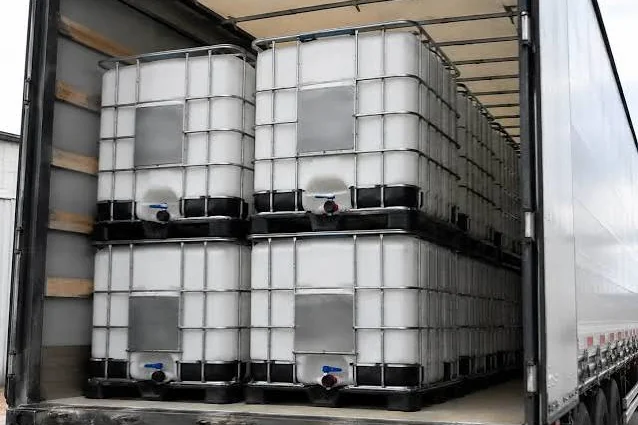
A rough count and container types is enough. A photo helps. We confirm what we can take and what it is worth.
Scheduled routes for regular volume, on-call for one-offs. We work around your site hours and access.
Our crew handles the loading. You get a record of what left your site and where it went.
Dented, faded, cracked, labelled up. Nothing goes to landfill because it looked rough.
Reusable containers are worth money to us, so they are worth money to you. Send a count and we will quote it.
A full pallet or more is most efficient. Below that, drop off at our Denver facility — call ahead.
Denver Metro and the Colorado Front Range on scheduled routes. Larger volumes further out often still work on freight.
Hot water. No solvents.
Residue comes out under high-pressure hot water and abrasive media rather than chemicals, so the waste stream is the residue itself and nothing added. It also handles cured and baked-on product, which is usually what decides whether a drum can be saved.
Finishes — steel drums: black, blue or red. Poly drums: white, blue or black. Food-grade runs a separate process; say so at quote stage.
Logged, sorted by type and material. Residue drained and routed for proper disposal.
High-pressure hot water and abrasive media. No solvents, so no solvent waste stream afterwards.
Wall thickness, seams, closures, cage and pallet integrity. Pass or fail — no middle grade.
Steel drums refinished and re-marked. Poly drums and IBC bottles cleaned and pressure-tested. Failures go to recycling.
When a container is finished, the material is not.
Containers that fail inspection are separated into clean HDPE and steel and returned to manufacturing. Residues are characterised and routed to licensed disposal under EPA and Colorado requirements — the part that goes wrong at unlicensed operations.
You get records of what was collected, what was reconditioned and what was recycled. Customers use them directly in their own waste-diversion reporting.
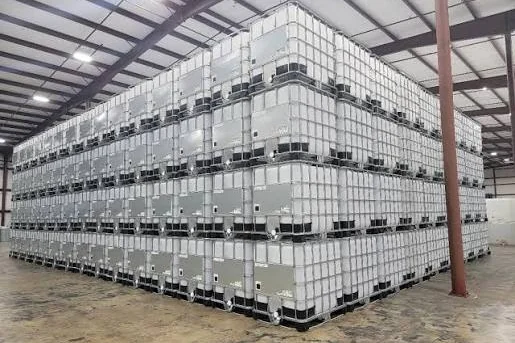
Poly drums and IBC bottles cleaned, granulated and baled as clean HDPE for re-manufacture.
Failed drums and cages crushed and sold as clean scrap. Steel recycles indefinitely without quality loss.
Drained at intake, characterised, routed to licensed disposal under EPA and CDPHE rules.
Records of every container, usable in your own sustainability or compliance reporting.
Tell us what you have. We will come and get it, and pay you for whatever still has life in it.